
Life, Legacy & Philosophy
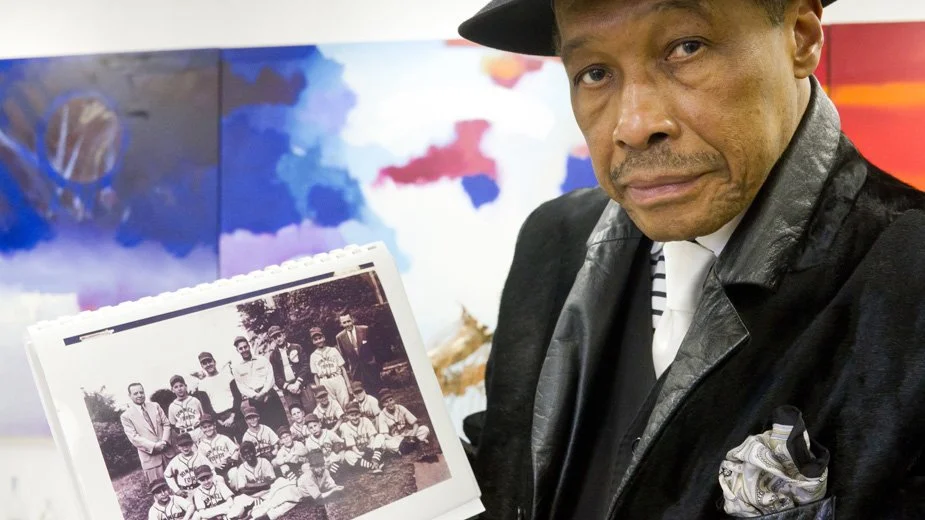
Alfred L. Bright lived a life shaped by creativity, conviction, and service. As a nationally exhibited abstract painter, a pioneering educator, and a founding force behind Africana Studies at Youngstown State University, his impact reached far beyond the canvas.
This timeline traces the key milestones of his life—his education, exhibitions, teaching career, and honors—while the reflections that follow explore the values and philosophy that guided his work. Together, they tell the story of a man who believed art was not separate from life, but deeply connected to justice, community, and human dignity.
Guiding Principles and Enduring Influence
For Alfred L. Bright, art and education were never separate pursuits—they were expressions of the same belief: that creativity has the power to affirm identity, build understanding, and transform lives. His philosophy grew from lived experience, cultural tradition, and a deep sense of responsibility to others. Whether in the studio, the classroom, or the community, Bright approached his work with integrity, discipline, and compassion, leaving behind a legacy defined not only by what he created, but by how he taught, led, and inspired.
-
Al believed that art did not need to explain itself to be meaningful. His abstract paintings were rooted in emotion, rhythm, and intuition rather than literal representation, often compared to jazz improvisation for their movement, spontaneity, and layered complexity. For Bright, abstraction was not an escape from reality but a more honest way of engaging it—allowing joy, struggle, memory, and resilience to surface without prescribing a single interpretation, and inviting viewers to feel before they tried to understand.
-
Teaching was never secondary to Bright’s identity as an artist. He viewed education as a moral responsibility and the classroom as a place where discipline, confidence, and self-knowledge could take root. Remembered as demanding yet deeply invested, he expected excellence because he believed in his students’ potential. As the first African American full-service faculty member at Youngstown State University and the founding director of its Africana Studies program, he helped ensure that Black history, culture, and intellectual traditions were treated not as marginal, but essential.
-
Bright rejected the idea of the isolated artist, believing creativity lived within community and tradition. This conviction shaped his live painting performances with jazz musicians, where art became a shared, public experience rather than a private object. Deeply connected to Youngstown and the people he taught and mentored, his influence endures not only in museum collections, but in the lives shaped by his presence and example.
-
Al’s legacy is not confined to the past. It lives on through his artwork, his students, and the values he embodied—integrity, discipline, cultural pride, and compassion. The Al Bright Family Foundation carries this legacy forward by honoring his belief that art and education can open doors, affirm identity, and create lasting change.